Saona Island Birdwatching: Coastal Birds, Forest Species and Responsible Observation
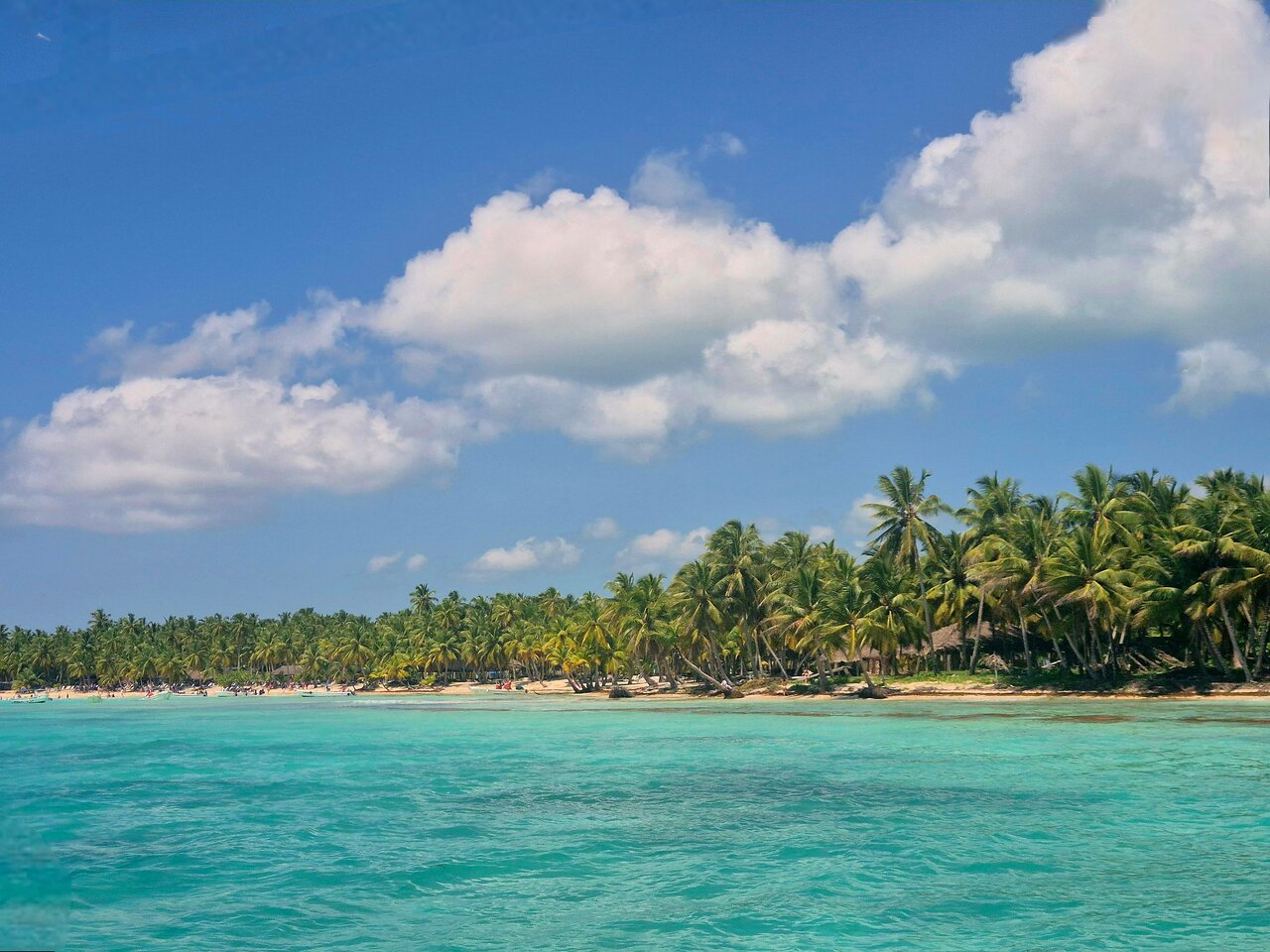
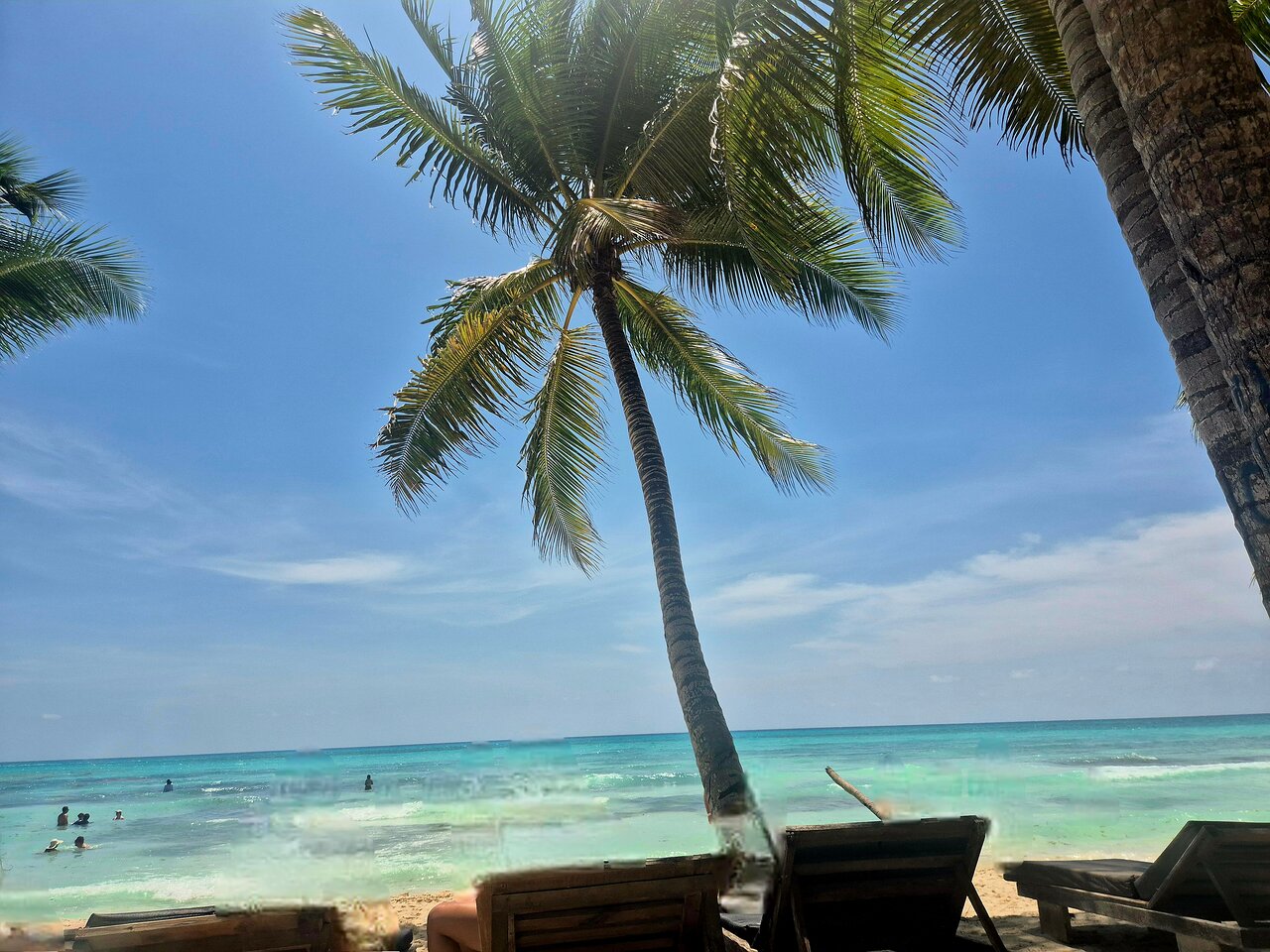
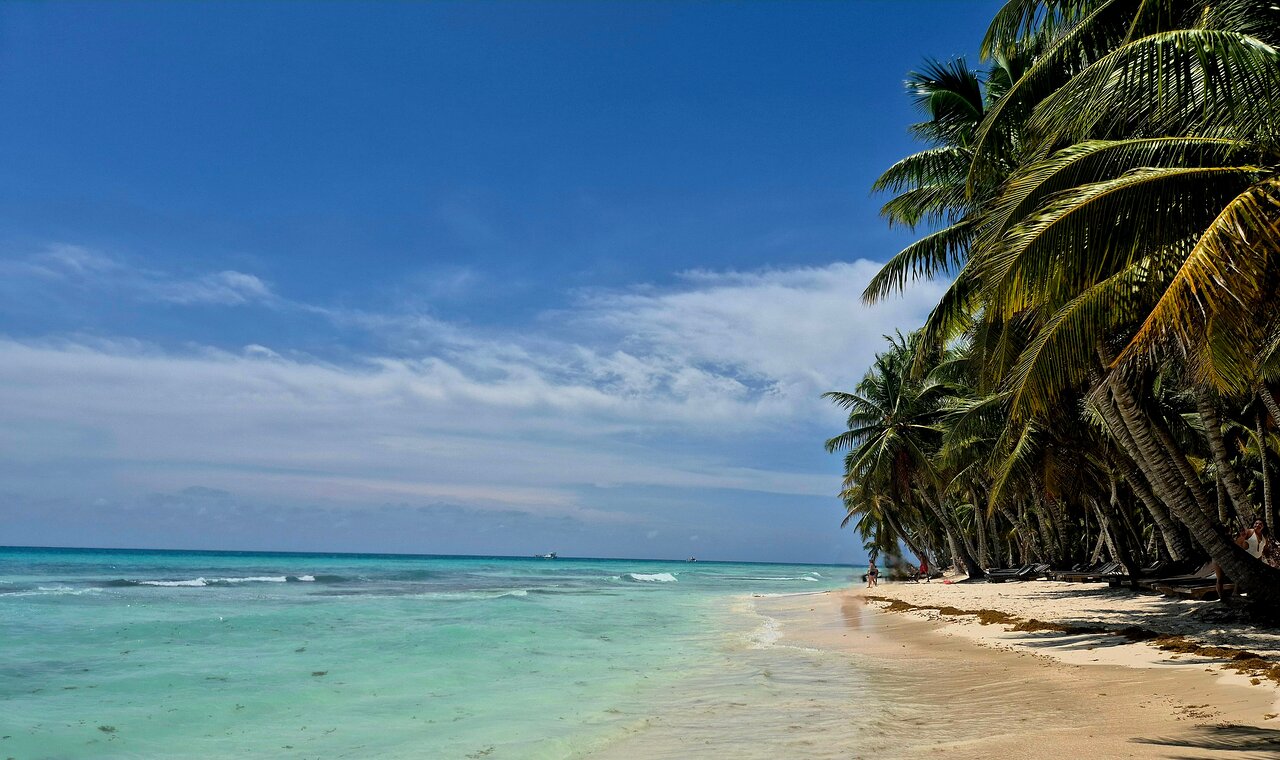
Saona Island is widely known for its white-sand beaches, turquoise water and boat excursions from Bayahibe. Yet its natural appeal extends beyond the shoreline. The island forms part of the protected landscape of Cotubanamá National Park, an area recognized for its diverse habitats and birdlife.
For visitors interested in nature, birdwatching offers a different way to experience Saona Island. Instead of focusing only on beaches and swimming stops, travelers can pay attention to birds moving above the coast, resting near the water, searching for food along the shoreline or inhabiting the island's wooded areas.
The wider national park is recognized as an important destination for bird observation. The Dominican Republic's official tourism information describes more than 300 types of birds in Cotubanamá National Park and specifically identifies birdwatching as an activity in the protected area.
This guide explains what makes the area interesting for birdwatchers, which habitats deserve attention, how to observe birds without disturbing them and what to prepare before planning a bird-focused visit.
Why Saona Island Is Interesting for Birdwatching
Bird diversity is closely connected to habitat diversity. Different birds need different places to feed, rest, nest and find shelter.
The Cotubanamá landscape includes coastal environments, mangroves, wetlands, dry forest and other wooded areas. Saona Island is part of this wider protected natural setting. These different environments create opportunities to observe birds with different behaviors and ecological needs.
Some birds are easier to notice in open coastal areas because their silhouettes are visible against the sky. Others may remain hidden among branches or vegetation. Wetland and mangrove environments can attract birds that search for food in shallow water or along muddy edges.
This means that birdwatching in the area is not limited to looking for birds on the beach. A broader understanding of the landscape can make the experience more rewarding.
It is also important to distinguish between the wider national park and the places reached by ordinary Saona excursions. A bird recorded somewhere in Cotubanamá National Park is not necessarily present at every beach or visitor stop.
Coastal Birds: A Good Starting Point
For visitors taking a conventional boat excursion, coastal birds may be the most accessible introduction to birdwatching.
The open shoreline and surrounding water provide a useful setting for watching birds in flight, resting or searching for food. Large birds can sometimes be easier to identify because of their size, flight shape and distinctive behavior.
Magnificent Frigatebird
The magnificent frigatebird is one of the most recognizable seabirds in the Caribbean.
It has long, angular wings and a deeply forked tail. It often appears to glide for extended periods, using rising air currents to remain above the water with relatively little visible effort.
When observing a frigatebird, notice its wing shape, tail and flight pattern. These features can help distinguish it from other coastal birds.
Frigatebirds are particularly interesting to watch because their aerial movements are part of their feeding strategy. They are adapted to life around the sea, even though they are not built for swimming like many other seabirds.
Brown Pelican
The brown pelican is another recognizable coastal bird. Its large body, long bill and expandable throat pouch make it relatively distinctive.
Pelicans may be seen flying close to the water or searching for fish. Their characteristic plunge-diving behavior can be particularly interesting to observe when conditions allow.
Rather than approaching a bird to obtain a closer photograph, use binoculars or a camera with an appropriate zoom lens.
Terns and Other Shoreline Birds
Terns are generally smaller and more streamlined than pelicans. They may fly quickly over shallow water and dive to catch small fish.
Shoreline birds can also be observed walking along the water's edge or resting on exposed coastal areas. Their presence and visibility can vary with tides, weather, disturbance and local conditions.
Not every bird seen during a visit can be identified confidently. It is better to record an observation as an unidentified tern or shorebird than to guess at a species.
Looking Beyond the Beach: Mangroves and Wetlands
Mangroves and wetlands are important parts of the wider Cotubanamá landscape. They offer sheltered environments and food resources for birds that use shallow water, vegetation and muddy surfaces.
Birdwatchers may find these habitats particularly interesting because the birds can behave differently from those seen over open water.
A bird in a mangrove environment may be resting among branches, searching for small animals or moving quietly through the vegetation. Some species are difficult to notice unless the observer remains patient and watches carefully.
However, mangrove areas should never be treated as unrestricted visitor spaces. Some sensitive areas may have access restrictions, and visitors should not enter vegetation or approach nesting sites simply to improve a viewing position.
If a dedicated nature excursion is available, ask whether it is authorized to visit the relevant habitat and whether a qualified local guide will accompany the group.
Forest Birds and Hispaniolan Endemic Species
The wider park landscape also includes wooded habitats where birdwatchers may look for species associated with Hispaniola.
An endemic species is one that naturally occurs in a particular geographic area and nowhere else in the world. Hispaniola has several endemic birds, making the island especially interesting for people who enjoy Caribbean wildlife.
The Caribbean Birding Trail's information for the Del Este National Park area identifies species such as the Hispaniolan parrot, Hispaniolan lizard-cuckoo, Hispaniolan woodpecker and broad-billed tody among the birds of interest in the wider region.
These records should be treated as regional birdwatching information, not a promise that every species can be seen on a standard Saona Island beach excursion.
Forest birds may be more difficult to observe than large coastal birds. They can move quickly through vegetation, remain partly hidden and call from places that are not easy to see.
A guided walk in an authorized forest area may provide a better opportunity to learn about these species than trying to search for them independently.
Birdwatching from a Boat
A boat journey can offer opportunities to notice birds that might otherwise be overlooked.
During a crossing, watch the open sky, the water surface and the distant shoreline. Frigatebirds may glide overhead, while pelicans and other coastal birds may be visible near the water.
For a more useful observation experience:
- Keep binoculars accessible rather than packed away.
- Watch birds without asking the boat operator to chase them.
- Avoid sudden movements when a bird is nearby.
- Use a camera strap to reduce the risk of dropping equipment.
- Protect cameras and phones from spray.
- Record the location and time of interesting observations.
Boat-based birdwatching is often opportunistic. The route, weather, visibility and natural behavior of birds all influence what visitors may see.
A standard sightseeing trip should not be advertised as a specialist birdwatching tour unless it actually includes suitable time, access and interpretation.
The Best Approach to Bird Identification
Identifying a bird is easier when several characteristics are considered together.
1. Observe its overall shape
Look at the bird's size, body proportions, wing length, tail shape and bill. These features are often more reliable than color alone.
2. Notice its behavior
Does it glide, flap continuously, dive, walk along the shoreline or remain perched in vegetation?
Behavior can help narrow down possible species.
3. Check the habitat
A bird seen above open water may have different likely identities from one observed in a wooded area or wetland.
Habitat is a useful clue, but it should not be used as the only identification method.
4. Listen to its calls
Bird calls can be valuable identification clues. If you make an audio recording, keep a respectful distance and avoid playing recorded calls to attract birds.
5. Use a reliable field guide
A regional bird guide can help compare photographs, illustrations, calls and distribution information.
The Dominican Republic also has educational birdwatching resources developed for identifying species in lowland and coastal environments.
When Should You Go Birdwatching?
There is no single guaranteed time to see every bird on Saona Island.
Bird activity varies according to species, weather, feeding patterns, habitat and season. Early morning can be a useful period for observation because temperatures are often more comfortable and some birds are active around the beginning of the day.
However, a morning visit does not guarantee particular sightings.
Migratory birds also make seasonal birdwatching interesting across the Dominican Republic. Some species travel between the Caribbean and other regions during different parts of the year. The species present at a particular location can therefore change over time.
For a bird-focused trip, check current local information and consult a knowledgeable guide rather than relying on a fixed list of guaranteed sightings.
What to Bring for a Birdwatching Visit
A small amount of preparation can make birdwatching more comfortable and productive.
Binoculars: Compact binoculars can help you observe birds without getting too close.
Camera with zoom: A zoom lens is useful for recording details while maintaining distance. A phone camera can still capture wider scenes and larger birds.
Field notebook: Record the date, location, habitat, approximate number of birds and any identification clues.
Sun protection: A hat, sunglasses and sunscreen can make outdoor observation more comfortable.
Water: Bring drinking water, especially if the activity involves walking.
Suitable footwear: Choose footwear appropriate to the authorized route and the conditions.
Water protection: A dry bag or protective case can help keep electronic equipment safe during boat travel.
Avoid bringing equipment or accessories that encourage you to approach, feed or disturb wildlife.
Responsible Birdwatching in a Protected Area
Birdwatching should help visitors appreciate wildlife without changing the natural behavior of the animals.
Saona Island is part of a protected national park landscape, so visitors should follow applicable park rules and instructions from authorized guides.
Keep these principles in mind:
- Maintain a respectful distance from birds.
- Never touch eggs, chicks or nests.
- Do not feed wild birds.
- Avoid entering restricted mangroves or sensitive habitats.
- Do not cut branches or remove vegetation to improve visibility.
- Keep noise low, particularly near nesting or resting areas.
- Take all litter away with you.
- Do not use flash or other intrusive methods around wildlife.
- Follow the instructions of park personnel and authorized guides.
A good wildlife photograph is not worth disturbing a nesting bird or damaging its habitat.
Can You Combine Birdwatching with a Saona Island Beach Trip?
Yes. Visitors can pay attention to birds during a regular beach-focused trip, even when the excursion is not designed specifically for birdwatching.
The boat journey, shoreline and surrounding landscape may provide opportunities for casual observation.
However, travelers who want to identify a wider range of species should consider a dedicated birdwatching experience in an authorized area of the wider park. They should confirm the route, guide arrangements, access permissions and expected activity before booking.
A standard beach excursion and a specialist birdwatching outing are different experiences. Choosing the right one depends on whether the priority is relaxing by the sea or spending time observing and identifying wildlife.
Why Birdwatching Adds Another Dimension to Saona Island
Saona Island is more than a beach destination. Its place within the Cotubanamá protected landscape connects visitors with a wider natural environment.
Birdwatching encourages travelers to notice details that may otherwise be missed: the shape of a frigatebird's wings, a pelican searching for fish, the movement of a small bird in coastal vegetation or the sounds of wildlife beyond the beach.
It also offers a reason to slow down and experience the island with greater attention.
Whether you are an experienced birder or simply curious about Caribbean wildlife, observing birds can add an educational and memorable element to a visit.
The most rewarding approach is to remain patient, use reliable identification resources, respect protected habitats and appreciate each sighting without expecting nature to follow a schedule.
Frequently Asked Questions
Is Saona Island good for birdwatching?
Saona Island is part of the wider Cotubanamá National Park landscape, which is recognized for its bird diversity. Coastal areas can offer casual birdwatching opportunities, while more specialized observation may require a suitable guided visit.
What birds might I see around Saona Island?
Coastal birdwatchers may encounter recognizable seabirds such as magnificent frigatebirds and brown pelicans. Other species may occur in the wider park, but sightings depend on location, season and conditions.
Are there endemic birds in the area?
The wider Del Este/Cotubanamá region is associated with Hispaniolan endemic species, including the Hispaniolan parrot, Hispaniolan woodpecker and Hispaniolan lizard-cuckoo. Their presence in regional birding information does not guarantee sightings at the island's main tourist beaches.
Do I need binoculars?
Binoculars are helpful but not essential. They allow you to observe birds more clearly while maintaining a respectful distance.
Can I go birdwatching during a regular Saona excursion?
You can look for birds during a regular excursion, especially during the boat journey and around the shoreline. However, a standard beach trip may not include a specialist guide or access to birdwatching habitats.
What is a good time of day for birdwatching?
Early morning can be a useful time to observe birds, but activity varies by species and conditions. No particular time guarantees a sighting.
Should I feed birds to attract them?
No. Feeding wild birds can alter their natural behavior and create unhealthy dependence on human food. Observe them without feeding or baiting.
Final Thoughts
Birdwatching offers a quieter perspective on Saona Island and the surrounding protected landscape. From seabirds moving above the Caribbean to birds living in wooded and wetland habitats, the region has much more to explore than its famous beaches alone.
Plan carefully, use responsible observation practices and let wildlife remain undisturbed. The best birdwatching experience is one that leaves both the visitor and the natural environment better off.

Local explorer & expert guide in Dominikánská Republika Dovolená.